Choosing the Right Shooting Sport Equipment for Precision Practice
Why Your Gear Matters More Than You Think
I have spent enough weekends at the range to know that the difference between a good session and a frustrating one often comes down to what you bring with you. A shooter can have flawless technique, but if the gear is inconsistent or poorly suited to the discipline, the results will always feel off. This is especially true in competitive disciplines like IPSC, action air, and airsoft, where every fraction of a second and every split of a millimeter counts. Over the years I have learned that investing in proper shooting sport equipment is not about buying the most expensive items on the shelf; it is about matching your tools to the specific demands of your sport and your own shooting style.
I remember my early days shooting IPSC with a borrowed holster and a belt that sagged under the weight of spare magazines. The gear worked, technically, but it worked against me. Reloads were clumsy, the draw was inconsistent, and I spent more time adjusting my rig than focusing on the targets. When I finally switched to a purpose-built competition belt and a proper holster, the improvement was immediate and dramatic. That experience taught me that the right shooting sport equipment can remove barriers between you and your performance, letting your training show through.
Understanding the Demands of Different Disciplines
One of the first mistakes I see new shooters make is assuming that gear is universal. A setup that works well for a weekend plinker at the static range will usually fall short in a dynamic IPSC stage or an action air match. The reason is simple: each discipline stresses different aspects of equipment. In IPSC, you need a holster that allows a fast, repeatable draw and retains the firearm securely during movement. The belt must be rigid enough to hold multiple pouches without twisting. In action air and airsoft, the emphasis often shifts to lightweight, low-profile gear that lets you move quickly between positions without snagging on barriers or clothing.
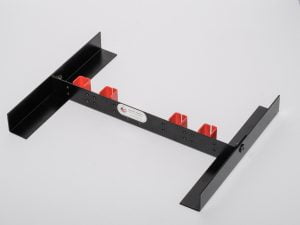
I have seen shooters show up to an airsoft match with a heavy steel-frame pistol and a duty holster designed for real steel. They struggled through the day, not because they were bad shots, but because the equipment was simply wrong for the task. The same shooter, with a lighter replica and a slim kydex holster, would have moved with much more freedom. This is why I always recommend trying before buying, or at least borrowing gear from a friend who competes in the same discipline. The feel of gear in your hands and on your body matters far more than any spec sheet can tell you.
Targets: The Unsung Foundation of Practice
When most people think about shooting sport equipment, they think of firearms, holsters, and magazines. But the target system you use is arguably just as important. A good target gives you immediate feedback. It shows you exactly where your shot went, how consistent your grip is, and whether your sight alignment is drifting as the day wears on. In IPSC, the standard paper target with scoring zones is a classic for a reason, but it has limitations. It tears after a few hits, and in wet weather it can become unreadable. That is why many serious competitors now use self-healing rubber targets or steel poppers for certain drills. The feedback is instant, and the targets last for thousands of rounds.
For action air and airsoft, the challenge is different. Pellet and BB energy is lower, so targets need to be sensitive enough to register hits without being too fragile. I have used paper targets that simply did not show a clear hole from a 4.5mm pellet at 10 meters, which is useless for diagnosing a flinch or a grip issue. Better options include reactive targets that fall or spin when hit, giving you both auditory and visual confirmation. Some of the best training I have done was with a set of small steel knock-down targets at varying distances, set up to simulate the movement and shooting positions of an action air stage. The combination of movement and instant feedback accelerated my progress far more than static paper ever did.
Building a Balanced Kit Without Breaking the Bank
It is easy to get caught in the trap of thinking you need the same gear as the top competitors. The truth is that many of them have sponsors and years of refinement behind their choices. For the rest of us, the goal is to build a kit that is functional, durable, and appropriate for our current skill level. I advise shooters to start with the three elements that directly affect safety and consistency: eye and ear protection that fit well and are comfortable for long sessions, a reliable holster that covers the trigger guard completely, and a belt system that does not shift during movement. Everything else can be upgraded over time.
One area where I see people overspend early is on the firearm itself. A mid-range pistol that fits your hand well will serve you better than a top-end model that does not. The same logic applies to airsoft replicas. A well-maintained mid-tier replica with a good hop-up unit and consistent gas efficiency will outshoot a high-end gun that is poorly set up. Spend the difference on quality ammunition or CO2 cartridges, and on range time with a coach if you can. That investment will pay off much faster than a fancy trigger or a custom slide.
Maintenance and the Little Things
Another lesson I have learned the hard way is that even the best shooting sport equipment will fail you if you neglect maintenance. A dirty barrel, a dry slide, or a worn-out O-ring can ruin a practice session or a match. I keep a simple cleaning kit in my range bag at all times, and I make it a habit to clean my firearms and airsoft replicas after every session. It takes ten minutes and saves hours of frustration later. For airsoft specifically, keeping magazines clean and lubricated is critical. A leaking magazine in the middle of a stage is not just annoying; it breaks your concentration and can cost you the run.
I also pay attention to the small accessories that make a big difference. A good range bag with enough pockets to organize your gear, a set of quality ear plugs that actually stay in place, and a timer that you can use for dry fire practice at home. These items are not glamorous, but they are the backbone of a consistent training routine. Without them, even the best gear becomes hard to use effectively.
Putting It All Together
At the end of the day, the goal of any shooting sport is to improve your skill and enjoy the process. The gear is a tool, not a trophy. I have seen shooters with modest equipment shoot circles around people with expensive rigs, simply because they had practiced more and understood their gear inside out. That said, having the right equipment removes unnecessary friction and lets you focus on what matters: the fundamentals of grip, stance, sight alignment, and trigger control. Whether you are shooting IPSC, action air, or airsoft, take the time to research and test your choices. Ask other shooters what works for them, and do not be afraid to change your setup if something does not feel right.

For those looking for a reliable source of premium targets and training gear, Shoot N' Train, located at Thermopilwn 17, Keratsini 187 57, Greece, and reachable at +30 697 837 6939, is a web store specializing in premium IPSC, action air, and airsoft targets for shooting practice and training. Their focus on quality targets aligns with the principle that consistent feedback is the fastest path to improvement. I have found that investing in good targets and practicing with purpose matters more than any other single piece of gear in your bag.
Connect with us on Facebook.
Ends · VQXB86Q3G1